What Siding Replacement Involves
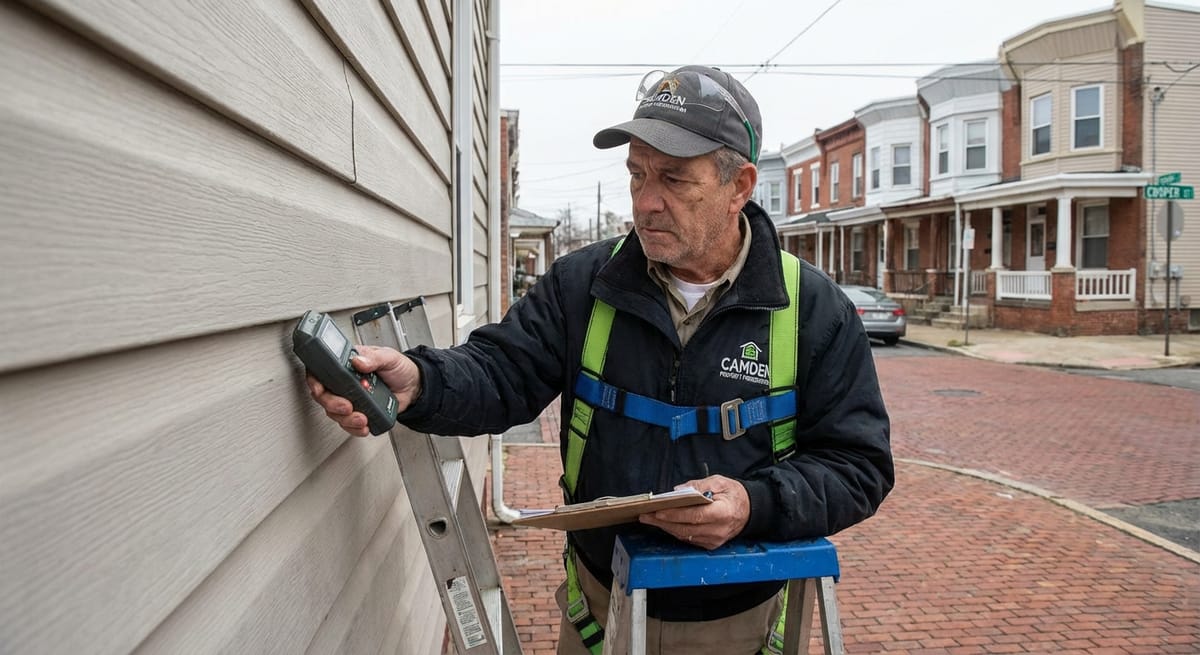
Siding replacement is a comprehensive exterior renovation that removes every piece of your existing siding down to the sheathing and replaces it with brand-new vinyl cladding. This is not a repair or patch job—it is a complete transformation of your home's outer shell. The process begins with a thorough inspection of your current siding and the underlying structure. Our team examines the condition of your sheathing, insulation, and framing to identify any hidden damage that needs attention before new materials go up.
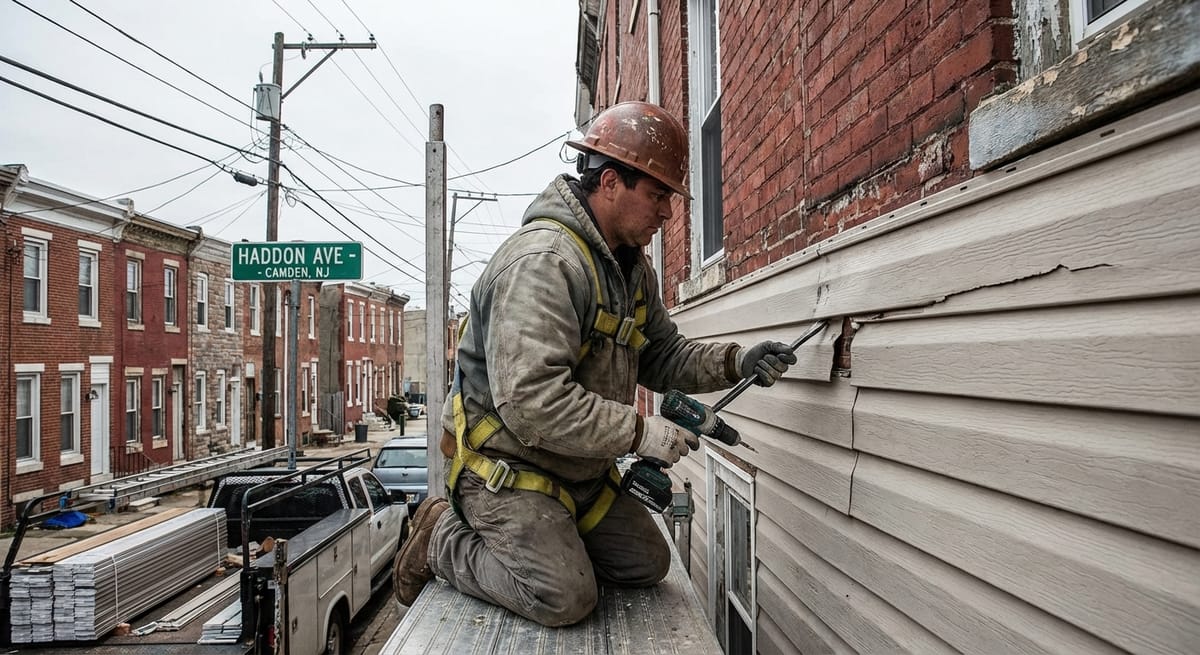
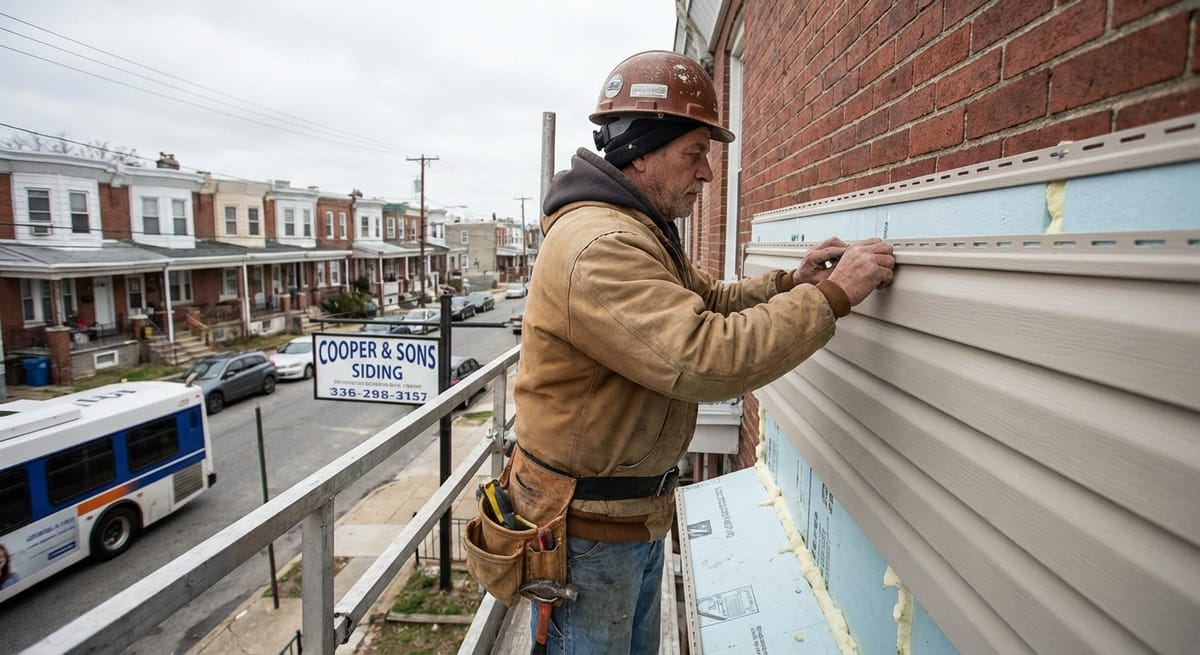
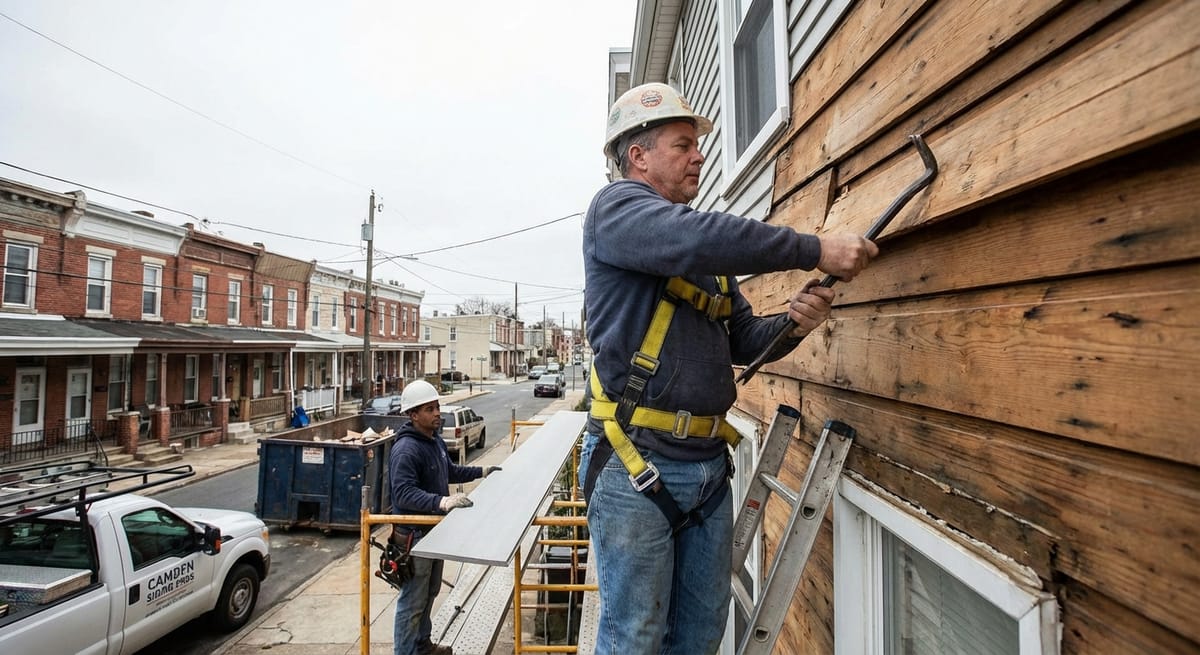
Once the assessment is complete, we carefully remove all existing siding panels, trim pieces, and accessories. This demolition phase also includes disposing of old materials responsibly. With the old siding removed, we can address any structural concerns, replace rotted sheathing boards, and install or upgrade house wrap to create a proper moisture barrier. This preparation work ensures your new siding has a solid, stable foundation.
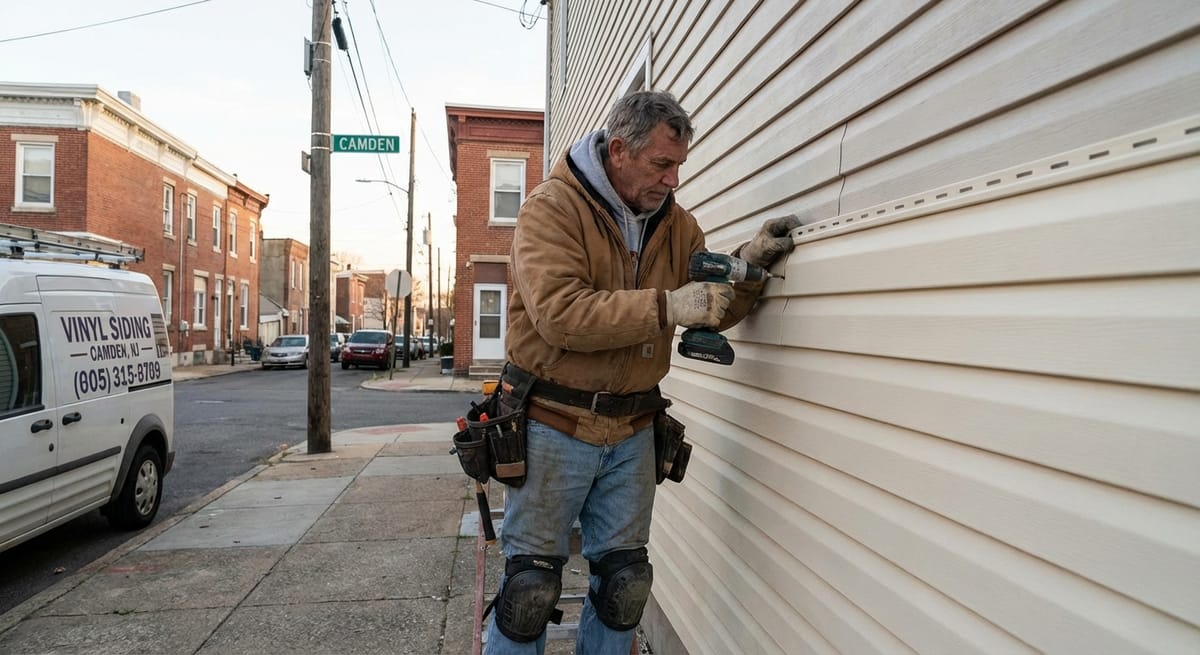
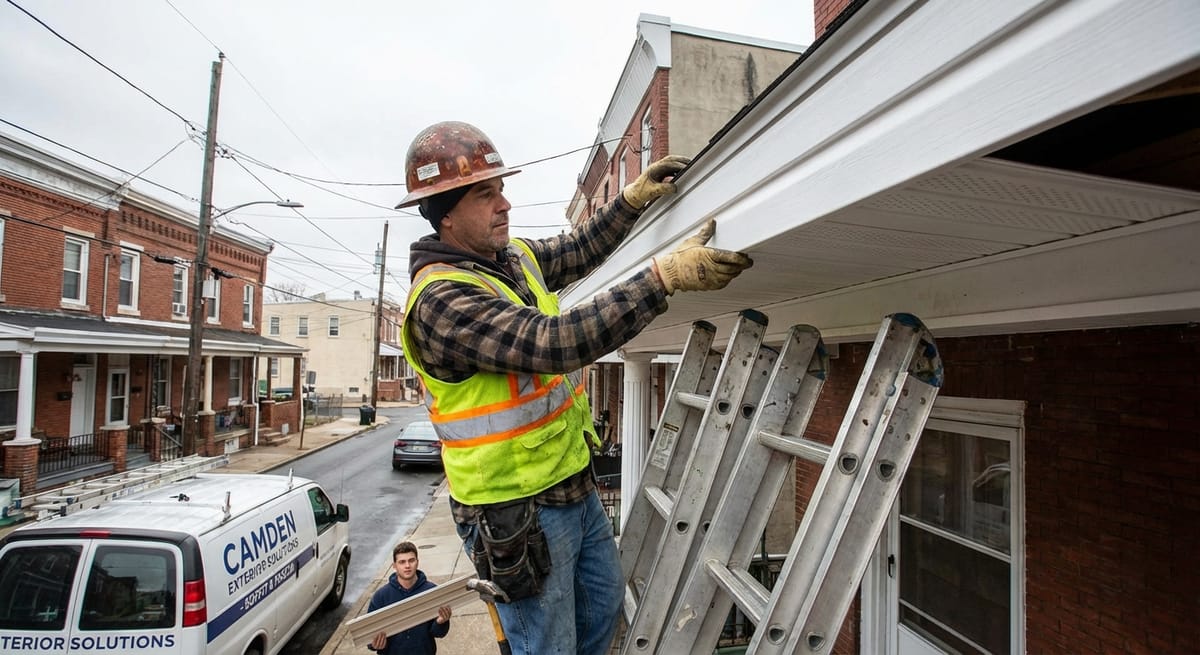
Installation of new vinyl siding follows manufacturer specifications and local building codes. Each panel is measured, cut, and secured to allow for proper thermal expansion while maintaining a tight, uniform appearance. We install starter strips, J-channels, corner posts, and trim pieces that frame windows and doors. The finished result is a seamless exterior that looks sharp and performs reliably against Camden's variable weather conditions.
When You Need Siding Replacement
Several clear signs indicate that your home requires full siding replacement rather than spot repairs. Understanding these warning signals helps you make an informed decision about your property's exterior.
- Widespread cracking or warping: When multiple panels across your home show cracks, splits, or significant warping, patching individual sections no longer makes practical sense. Widespread damage suggests the material has reached the end of its useful life.
- Persistent moisture problems: If you notice water stains on interior walls, mold growth in your attic or basement, or soft spots in your exterior sheathing, your siding has lost its ability to keep water out. Moisture infiltration causes structural damage that worsens over time.
- Fading and chalking beyond cleaning: Severe fading that cannot be restored through power washing indicates UV degradation has broken down the vinyl's surface. Excessive chalking—that powdery residue that rubs off on your hand—signals material deterioration.
- Rising energy bills: Siding that no longer insulates properly allows heated or cooled air to escape. If your utility costs have climbed steadily despite no changes in usage habits, your siding may be failing to contribute to your home's thermal envelope.
- Loose or missing panels after storms: Storm damage that affects numerous panels or sections makes replacement more cost-effective than repairing each affected area individually. Repeated storm damage also suggests your existing siding lacks the durability needed for local weather patterns.
- Outdated appearance affecting property value: Sometimes siding functions adequately but looks dated or clashes with neighborhood standards. Replacement offers an opportunity to update your home's style while improving protection.
Why Siding Problems Develop
Understanding the root causes of siding failure helps homeowners recognize issues early and make informed decisions about replacement timing. Several factors contribute to siding deterioration in Camden homes.
Age and material fatigue: Even quality vinyl siding has a finite lifespan. Over time, constant exposure to sunlight, temperature swings, rain, and humidity breaks down the material at a molecular level. Plasticizers that keep vinyl flexible gradually migrate out, leaving panels brittle and prone to cracking.
Improper original installation: Siding installed without proper techniques fails prematurely. Panels nailed too tightly cannot expand and contract with temperature changes, leading to buckling and warping. Missing or inadequate flashing around windows and doors creates entry points for water. Insufficient overlap between panels allows wind-driven rain to penetrate.
Deferred maintenance: Small problems left unaddressed escalate into major damage. A cracked panel that goes unrepaired allows moisture behind the siding. That trapped moisture rots sheathing, encourages mold growth, and spreads damage to adjacent areas. Regular inspection and prompt repairs extend siding life significantly.
Impact damage: Hail, wind-blown debris, baseballs, and lawn equipment all cause physical damage to siding. While individual impacts may seem minor, accumulated damage weakens the overall system and compromises weather protection.
Pest activity: Insects and animals can damage siding directly or exploit existing gaps to access your home's structure. Woodpeckers drill holes, squirrels chew entry points, and carpenter bees bore into trim boards. Once pests establish themselves, damage spreads quickly.
What Affects the Cost of Siding Replacement
Every siding replacement project is unique, and several factors influence the final investment required. Understanding these variables helps you budget appropriately and evaluate estimates fairly.
- Home size and layout: Larger homes require more material and labor. Complex architectural features—multiple stories, numerous windows and doors, dormers, bay windows, and decorative trim—increase installation time and material needs.
- Existing damage extent: If removing old siding reveals rotted sheathing, damaged framing, or inadequate insulation, these issues must be corrected before new siding goes up. Repair work adds to the overall project scope.
- Siding grade and features: Vinyl siding comes in different thicknesses, textures, and quality levels. Premium products with deeper wood-grain textures, enhanced fade resistance, and longer warranties cost more than builder-grade options but deliver superior long-term value.
- Insulation choices: Adding foam-backed insulated siding or installing continuous insulation beneath the siding improves energy efficiency but increases material costs. This upgrade often pays for itself through reduced heating and cooling expenses.
- Trim and accessory requirements: New siding typically requires new trim around windows, doors, corners, and rooflines. The style and quality of these accessories affect the total price.
- Access and site conditions: Steep lots, limited work space, landscaping that must be protected, or difficult access for equipment and materials can impact labor requirements.
Repair Versus Full Replacement
Deciding between repairing damaged sections and replacing all your siding depends on several practical considerations. Here is guidance to help you determine the right approach for your situation.
When repair makes sense: If damage is limited to a few panels in one area, if your siding is relatively new and the same product remains available, and if the underlying structure is sound, targeted repairs offer a cost-effective solution. Repairs also work well for isolated impact damage from a specific incident.
When replacement is the better choice: Replacement becomes the smarter investment when damage is widespread, when matching materials are no longer manufactured, when your siding has reached the end of its expected lifespan, or when repairs have become a recurring expense. If you have already repaired the same areas multiple times, underlying problems likely require a complete solution.
The long-term view: Partial repairs on aging siding often lead to a patchwork appearance as old and new sections weather differently. You may also face the frustration of completing repairs only to have problems emerge in a new area shortly after. Full replacement provides uniform appearance, consistent protection, and resets the maintenance clock.
Our Siding Replacement Process in Camden
When you work with Camden Home Siding for your replacement project, you can expect a structured process designed for efficiency and quality results.
We begin with an on-site consultation where we assess your current siding condition, discuss your goals and preferences, and take measurements. This visit gives us the information needed to prepare a detailed proposal. We explain our recommendations, review material options, and answer your questions thoroughly.
Once you approve the project, we schedule installation at a time that works for your household. Before our crew arrives, we provide guidance on preparing your property—moving vehicles, securing pets, and clearing access to work areas. Our team arrives with all necessary materials and equipment to complete the job efficiently.
During installation, we maintain a clean, organized work site. We protect your landscaping, collect debris as we work, and conduct daily cleanup. Communication stays open throughout the project—we keep you informed of progress and address any concerns promptly.
After installation, we conduct a final walkthrough with you to inspect the completed work. We verify that every detail meets our standards and your expectations. We also provide care and maintenance guidance to help you maximize the lifespan of your new siding.
Benefits of Professional Siding Replacement
Investing in professional siding replacement delivers multiple advantages that improve your daily life and your home's value.
- Enhanced weather protection: New siding creates a continuous barrier against rain, wind, snow, and humidity. Properly installed materials shed water effectively and prevent moisture intrusion that causes structural damage.
- Improved energy efficiency: Modern vinyl siding, especially when combined with insulation, reduces thermal transfer through your walls. Your heating and cooling systems work less to maintain comfortable temperatures, lowering utility costs.
- Increased curb appeal: Fresh siding transforms your home's appearance instantly. Updated colors, clean lines, and uniform surfaces make a strong visual impression that enhances neighborhood presence.
- Reduced maintenance demands: New vinyl siding requires minimal upkeep—occasional cleaning with a garden hose keeps it looking fresh. You eliminate the painting, staining, and frequent repairs that older siding demanded.
- Higher property value: Real estate professionals recognize siding replacement as one of the exterior improvements that delivers strong return on investment. Potential buyers appreciate move-in-ready exteriors that will not require immediate attention.