What Vinyl Siding Installation Involves
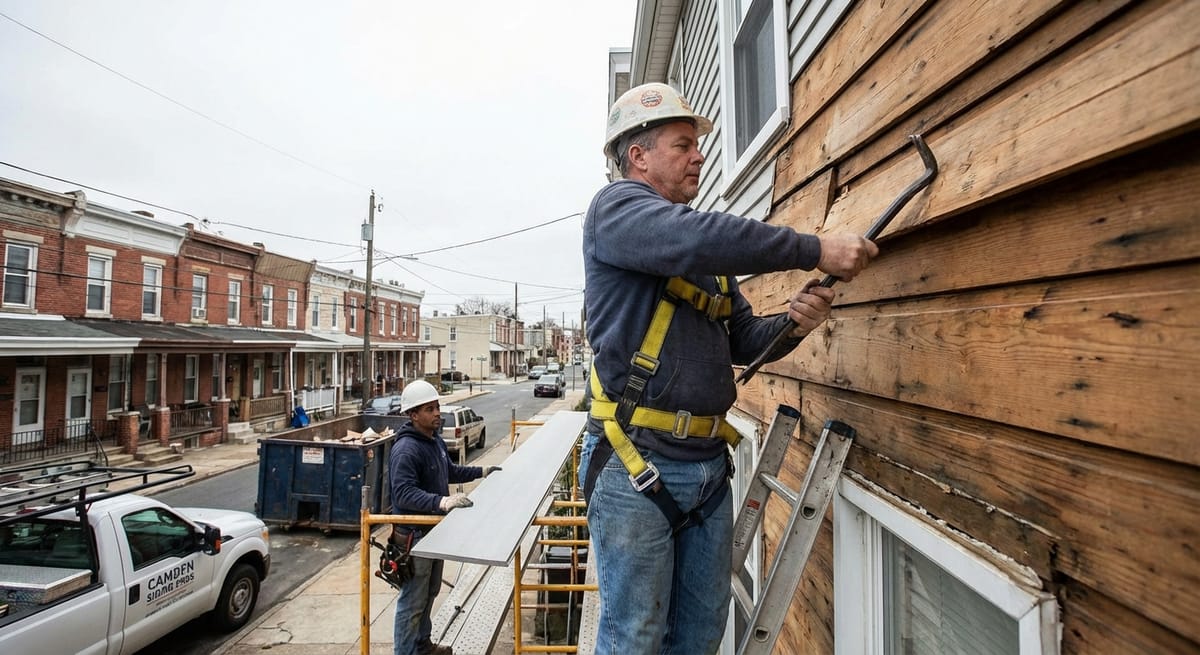
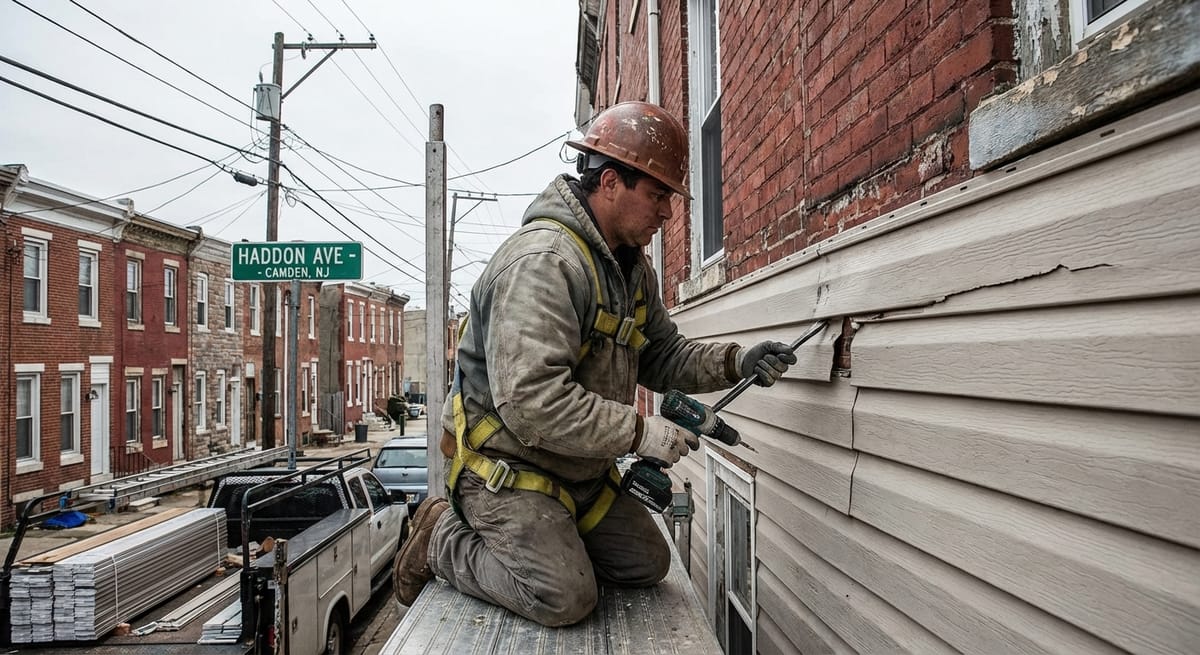
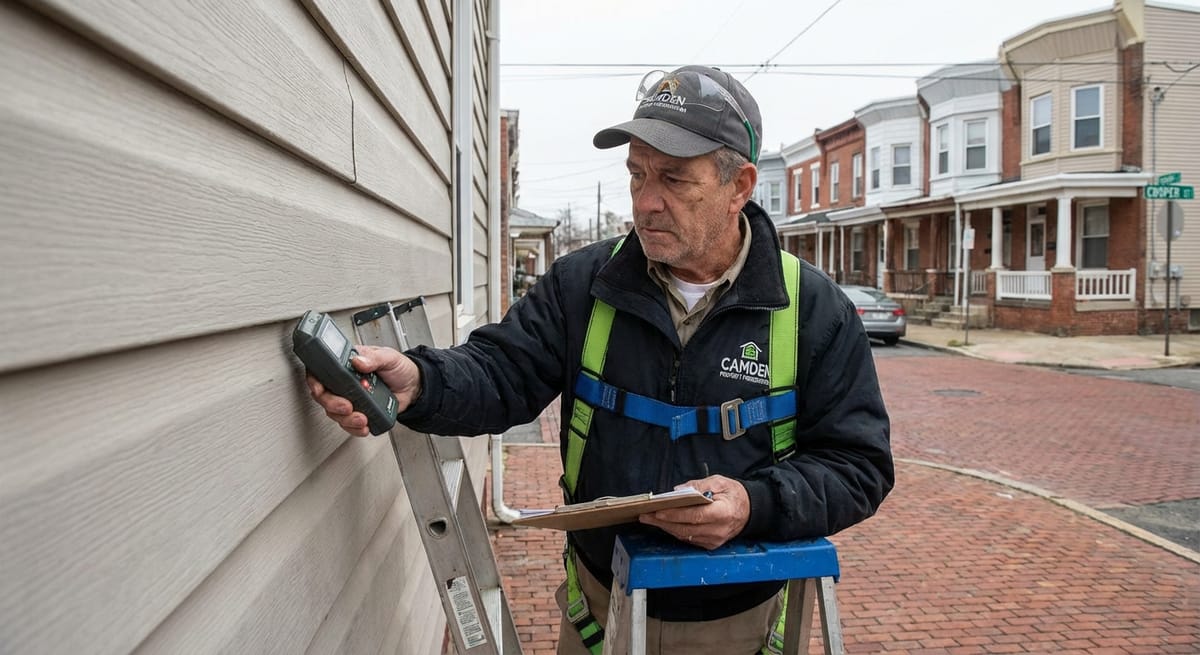
Vinyl siding installation is a comprehensive process that transforms your home's exterior from start to finish. The project begins with a thorough inspection of your existing exterior walls to identify any underlying issues that need attention before new siding goes up. Our team removes old siding materials, whether that includes wood clapboard, aluminum panels, or deteriorated vinyl from a previous installation.
Once the old material is stripped away, we examine the sheathing and structural components underneath. Any rotted wood, damaged insulation, or compromised areas get repaired or replaced to create a solid foundation for your new siding. This step is critical because installing new vinyl over damaged substrates leads to problems down the road.
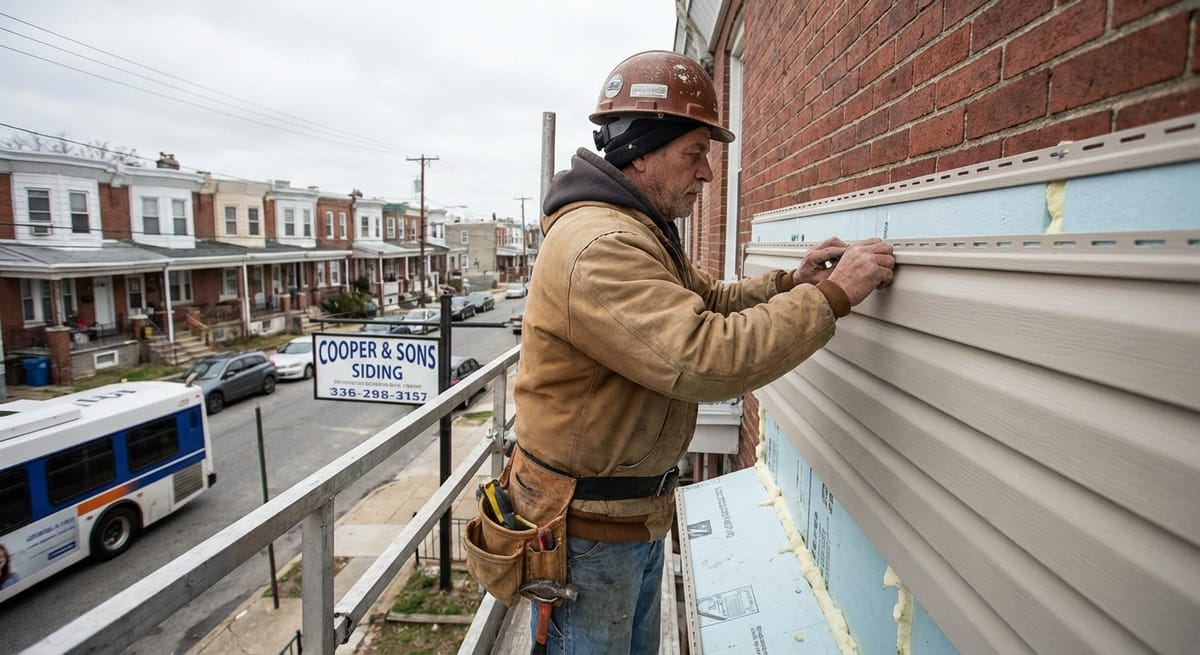
Next, we install a weather-resistant barrier or house wrap if one isn't already in place. This protective layer prevents moisture from reaching your home's wooden structure while allowing trapped vapor to escape. Proper moisture management extends the life of both your siding and your home's frame.
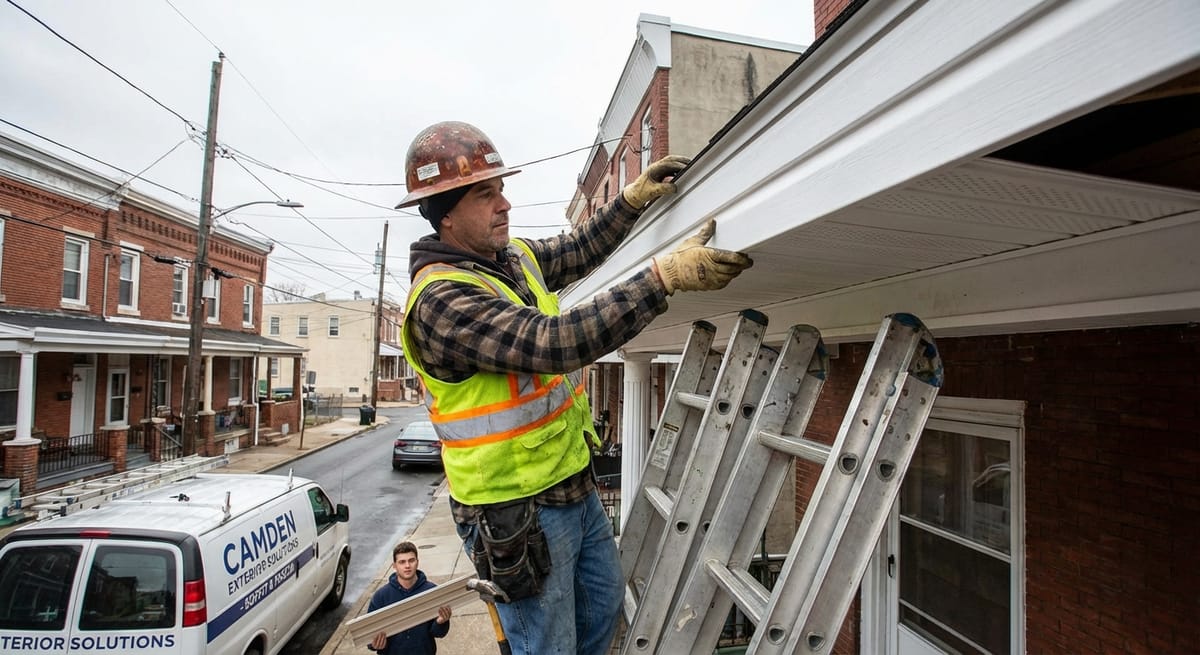
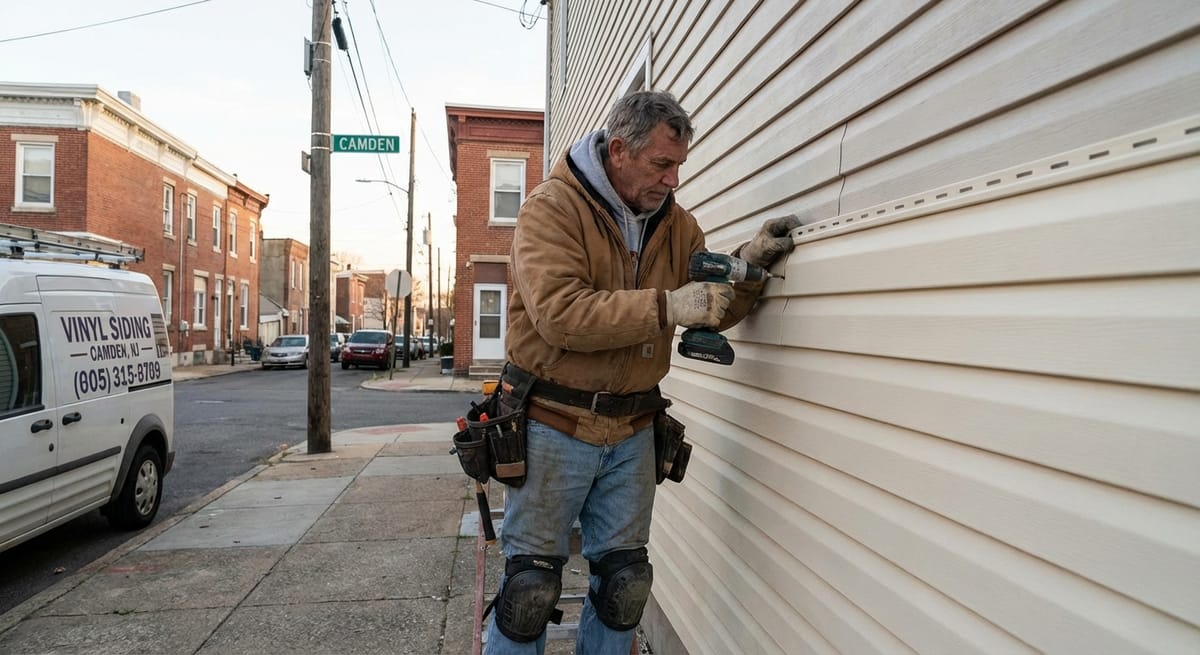
The actual vinyl panel installation follows a specific sequence. We begin at the bottom of each wall section with a starter strip, then work upward, interlocking each panel with the one below it. Corner posts, J-channels around windows and doors, and trim pieces frame the installation and create clean transitions. Every panel gets secured with corrosion-resistant fasteners positioned to allow for thermal expansion and contraction.
When You Need Vinyl Siding Installation
Several situations indicate that your Camden home would benefit from new vinyl siding. Visible damage represents the most obvious sign—if you see cracks, holes, warping, or pieces that have broken off entirely, your current siding has reached the end of its useful life. Storm damage from high winds or hail often creates this type of deterioration.
Peeling paint or stain on wood siding suggests moisture problems that have compromised the material. Once wood siding starts failing, repainting becomes a losing battle. Water gets behind the finish, causing further deterioration with each season. Converting to vinyl eliminates this ongoing maintenance burden.
Rising energy bills sometimes point to siding issues. Older siding materials, especially those installed without modern insulation techniques, allow significant heat transfer through your walls. If your heating and cooling costs have climbed steadily, replacing your siding with insulated vinyl panels can improve your home's thermal envelope.
Mold, mildew, or fungal growth on your exterior walls indicates moisture getting trapped in or behind your siding. This issue damages both the siding and the materials underneath. New vinyl installation with proper moisture barriers addresses the root cause rather than just treating symptoms.
If you're planning to sell your home, new siding dramatically improves curb appeal and can increase your property's market value. Buyers appreciate the fresh appearance and the knowledge that they won't face immediate exterior maintenance needs.
Why Siding Problems Develop
Understanding why siding fails helps homeowners make informed decisions about replacement. Age plays a significant role—every exterior material has a lifespan, and exposure to Camden's weather conditions gradually breaks down even quality materials. Sun exposure causes fading and makes older vinyl brittle. Temperature swings between summer heat and winter cold stress the material through repeated expansion and contraction cycles.
Improper installation causes many siding failures. Panels nailed too tightly cannot move with temperature changes, leading to buckling and warping. Insufficient overlap between panels allows water infiltration. Missing or poorly installed flashing around windows and penetrations creates entry points for moisture.
Deferred maintenance accelerates deterioration. Small cracks left unaddressed grow larger. Loose panels that aren't resecured can tear away in wind storms. Clogged gutters overflow and direct water behind siding where it causes hidden damage.
Impact damage from lawn equipment, fallen branches, or hail creates weak points in your siding system. Even small holes allow insects and moisture to access your wall cavities, where problems can develop unseen for extended periods.
What Affects Installation Cost
Multiple factors influence the investment required for vinyl siding installation in Camden. The size of your home directly impacts material quantities and labor hours. A larger home with more exterior square footage requires more panels, trim pieces, and installation time.
Your home's architectural complexity also matters. Simple rectangular structures with few windows and doors cost less to side than homes with multiple dormers, bay windows, decorative trim, or complex rooflines. Every corner, angle, and penetration requires additional cutting, fitting, and finishing work.
The condition of your existing exterior affects preparation requirements. Homes with significant rot, insect damage, or structural issues need more repair work before new siding can go up. Removing multiple layers of old siding takes longer than stripping a single layer.
Material selection influences pricing. Vinyl siding comes in various thicknesses, textures, and quality grades. Thicker panels resist impact damage better and typically carry longer warranties. Insulated vinyl panels cost more upfront but improve energy efficiency. Premium colors and textures that mimic wood grain carry higher price tags than basic options.
Accessibility around your home affects labor efficiency. Homes with limited yard space, extensive landscaping, or difficult terrain require more careful work and additional setup time. Second and third-story installations require scaffolding or lift equipment.
Choosing Between Repair and Replacement
Sometimes targeted repairs make more sense than full replacement, while other situations clearly call for complete re-siding. Localized damage affecting only a small section of your home often warrants repair. If a single panel cracked from impact or a small area sustained storm damage, replacing just those panels costs far less than re-siding the entire structure.
However, repair becomes impractical when damage spreads across multiple areas or when underlying issues exist. If your siding shows widespread fading, brittleness, or deterioration, new damage will keep appearing even as you fix existing problems. Chasing repairs on failing siding wastes money that would be better invested in replacement.
Age factors into this decision significantly. If your siding has served for most of its expected lifespan and shows signs of wear, replacement makes more sense than investing in repairs that only extend its life briefly. Matching colors on older siding also presents challenges since original colors fade and manufacturers discontinue product lines.
When water damage or mold has affected the areas behind your siding, simple panel replacement won't address the actual problem. These situations require removing siding to access and repair the underlying damage, making comprehensive replacement the practical choice.
The Camden Home Siding Difference
Our team brings extensive expertise to every vinyl siding installation throughout Camden. We understand the specific challenges that local weather conditions present—from summer humidity to winter freeze-thaw cycles—and we install siding systems designed to perform in this environment.
We never cut corners on preparation work. Properly addressing what's underneath your siding matters as much as the visible installation. Our crews take time to repair substrate damage, install appropriate moisture barriers, and ensure proper ventilation before any panels go up.
Every installation follows manufacturer specifications precisely. This attention to detail protects your warranty coverage and ensures your siding performs as designed. We use quality fasteners and accessories that won't fail prematurely or cause problems with the panels themselves.
Communication throughout your project keeps you informed and comfortable with the work happening at your home. We explain what we find during removal, discuss any necessary repairs before proceeding, and make sure you understand each phase of the installation process.
Preparing Your Home for Installation
Homeowners can take several steps to prepare for vinyl siding installation. Clear items away from your home's exterior walls—outdoor furniture, potted plants, decorations, and stored materials should move to a location away from the work area. This protects your belongings and gives our crew room to work efficiently.
Trim back bushes and shrubs that grow against your house. We need clear access to all wall surfaces, and plants too close to the structure can suffer damage during the project. Cutting them back also improves air circulation against your new siding once installation completes.
Make arrangements for pets during work hours. Construction activity, unfamiliar people, and open gates create opportunities for animals to escape or get underfoot. Keeping pets secured inside or away from the property prevents problems.
Identify any utilities, irrigation lines, or buried features near your foundation that our crew should know about. Marking these helps us avoid accidental damage during the project.
After Your Installation Completes
New vinyl siding requires minimal maintenance compared to wood or other materials, but some basic care helps it look great and last longer. Rinse your siding annually with a garden hose to remove accumulated dirt and pollen. For stubborn spots, a soft brush with mild soap works well—avoid harsh chemicals or pressure washers that can force water behind panels.
Inspect your siding periodically, especially after severe storms. Look for loose panels, damage from impacts, or areas where caulking around penetrations may have failed. Addressing small issues promptly prevents larger problems from developing.
Keep vegetation trimmed back from your walls. Plants that grow against siding trap moisture and can cause discoloration. Climbing vines can work their way behind panels and cause damage that's difficult to repair.
Your new siding comes with warranty protection. Keep your documentation in a safe place, and don't hesitate to contact us if you notice any issues that might indicate a material or installation defect covered under warranty.